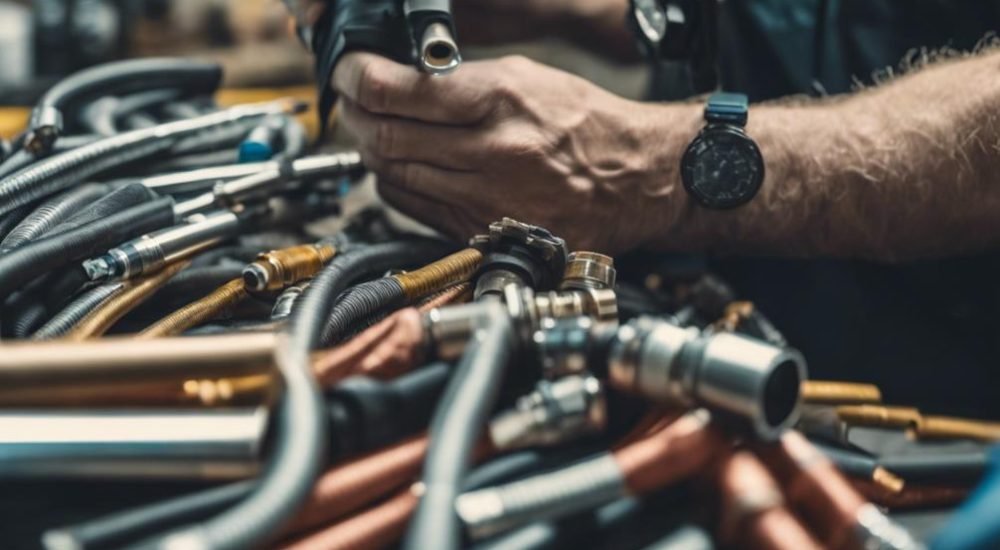
Choosing the correct OEM hydraulic hose assemblies is a crucial decision that can have a significant impact on the efficiency and safety of hydraulic systems. With various considerations to bear in mind, such as compatibility with equipment, material durability, and certification standards, the selection process may seem overwhelming.
By following expert advice tailored to address these complexities, you can confidently navigate the process and ensure optimal performance. These tips offer a comprehensive guide to help you make well-informed decisions that meet the specific requirements of your hydraulic applications, ultimately enhancing efficiency and prolonging the lifespan of your system.
Understand OEM Specifications
Understand OEM Specifications
To guarantee the proper fit, function, and performance of hydraulic hose assemblies, a thorough grasp of OEM specifications is necessary. OEM specifications serve as the blueprint provided by the original equipment manufacturer, outlining precise requirements for hydraulic hose assemblies. These specifications encompass critical details such as hose size, length, pressure ratings, temperature range, end fittings, and material compatibility. Comprehension and adherence to these specifications are paramount as they guarantee that the hydraulic hose assemblies meet the specific design and performance standards set by the manufacturer.
Material compatibility is a key aspect highlighted in OEM specifications. It is vital to select materials that are compatible with the fluids transmitted through the hydraulic system to prevent degradation, leaks, or malfunctions. Deviating from the OEM guidelines on material compatibility can lead to significant issues, jeopardising the integrity and efficiency of the hydraulic system.
Hence, thorough comprehension and adherence to OEM specifications are necessary for maintaining warranty compliance, system reliability, and optimal performance of hydraulic hose assemblies.
Check Compatibility With Deutz Equipment
Check Compatibility With Deutz Equipment
How does the compatibility of hydraulic hose assemblies with Deutz equipment models like the TCD 2.9 L4 and TCD 4.1 L4 guarantee optimal performance and efficiency?
Ensuring that the hydraulic hose assemblies are compatible with Deutz equipment models is essential for seamless operation. Deutz machinery, such as the TCD 2.9 L4 and TCD 4.1 L4, have specific requirements for hoses, fittings, and hydraulic systems. By selecting hydraulic hoses that are designed to work efficiently with Deutz equipment, you can prevent issues such as leaks, pressure drops, or system failures.
When checking compatibility, focus on the fittings and end connections of the hydraulic hose assemblies to guarantee a proper fit with Deutz equipment. The hoses must also meet the pressure ratings and specifications outlined by Deutz to guarantee safe and reliable operation. By selecting hydraulic hoses that are specifically designed for Deutz machinery, you can optimise performance, increase efficiency, and extend the lifespan of both the hoses and the equipment.
Consider Operating Pressure Requirements
When selecting OEM hydraulic hose assemblies, it is important to take into account the operating pressure requirements of the system. The pressure rating of the hose assemblies must be equal to or greater than the system's maximum operating pressure to guarantee reliable performance.
Taking into account pressure spikes and fluctuations in the system is vital for preventing potential failures and maintaining system efficiency.
Pressure Rating Importance
Understanding the critical role of pressure ratings in OEM hydraulic hose assemblies requires a thorough evaluation of the system's operating pressure requirements. Matching or exceeding the pressure rating of the hose assembly with the system's operating pressure is crucial to ensure optimal performance.
Operating above the specified pressure rating can result in catastrophic hose failure and pose significant safety risks. Straying from the correct pressure ratings may cause leaks, decreased system efficiency, and potential equipment damage.
To mitigate these risks, it is essential to consult manufacturers or industry experts to determine the most appropriate pressure rating for the specific application. Prioritising the alignment of pressure ratings with operating pressures is essential to ensure the reliability and longevity of OEM hydraulic hose assemblies.
Proper Hose Selection
Proper Hose Selection
Considering the critical importance of operating pressure requirements, selecting OEM hydraulic hose assemblies necessitates a meticulous evaluation of their compatibility with the system's pressure specifications. Hydraulic hose assemblies with pressure ratings that meet or exceed the maximum operating pressure of the hydraulic system are vital for optimal performance.
It is important to choose hoses capable of handling pressure spikes and fluctuations to prevent failures in dynamic hydraulic systems. Proper hose selection based on operating pressure is paramount to avoid leaks, system damage, and safety risks. Acknowledging the system's pressure requirements is fundamental in selecting OEM hydraulic hose assemblies that can endure the operational demands without compromising efficiency or safety.
Prioritising the correct pressure ratings in hydraulic hose selection guarantees reliable and efficient system operation.
Evaluate Hose Material Durability
When evaluating hose material durability, it is important to conduct material strength analysis to understand the resilience of the components under varying stress levels.
Durability testing methods play a crucial role in assessing the longevity and performance of the hose material in real-world applications.
Material Strength Analysis
Material Strength Analysis
To guarantee the longevity and reliability of hydraulic hose assemblies in demanding applications, a thorough evaluation of the material's tensile strength, flexibility, abrasion resistance, chemical compatibility, impact resistance, and environmental resilience is vital.
The material's tensile strength and flexibility are key indicators of its ability to withstand high-pressure environments. Abrasion resistance and chemical compatibility make sure the hose can endure harsh conditions and corrosive substances without degradation.
Evaluating impact resistance and environmental resilience helps determine the material's durability against physical damage and external factors. Certifications and ratings should be considered to validate the material's strength and quality for optimal performance in hydraulic systems.
Comparing material composition and construction techniques aids in selecting the most durable hose assembly for the intended application.
Durability Testing Methods
Durability Testing Methods
Analysing the durability of hydraulic hose materials involves rigorous testing methods to assess their ability to withstand a range of environmental and operational stressors over time.
- Durability testing methods assess the ability of hose materials to withstand wear and tear over time.
- These tests evaluate resistance to abrasion, pressure, temperature extremes, and different environmental factors.
- Durability testing helps determine the lifespan and reliability of hydraulic hose assemblies in real-world conditions.
- Different industry standards and protocols guide the testing procedures for assessing hose material durability.
Verify Temperature Range Suitability
In assessing OEM hydraulic hose assemblies, it is important to meticulously verify the suitability of the temperature range for optimal operational performance. The materials used in hydraulic hoses play a crucial role in determining the operating temperature ranges they can withstand. It is vital to confirm that the hose assemblies are capable of handling the minimum and maximum operating temperatures required for your specific application. Temperature fluctuations can greatly impact the flexibility, durability, and general performance of the hoses, making it crucial to select materials that are rated for the expected temperature variations. Consulting the manufacturer's specifications is key to confirming the compatibility of the hydraulic hose assemblies with the temperature ranges they will be exposed to.
| Temperature Range | Material Suitability |
|---|---|
| -40°C to +100°C | Synthetic Rubber |
| -20°C to +120°C | Nitrile Rubber |
| -50°C to +150°C | Fluorocarbon Rubber |
| -60°C to +130°C | Polyurethane |
| -30°C to +110°C | Thermoplastic |
Assess Flexibility and Bend Radius
Assess Flexibility and Bend Radius
When evaluating OEM hydraulic hose assemblies, a thorough assessment of the flexibility and bend radius is important to guarantee optimal performance and durability in different operational conditions.
- Assess Flexibility: Check the hose's ability to bend easily without kinking or restricting fluid flow, ensuring smooth operation.
- Consider Bend Radius: Take into account the minimum bend radius of the hose to prevent damage and maintain peak performance, especially in tight spaces or around corners.
- Evaluate Operating Conditions: Test the hose's flexibility under different conditions to confirm its adaptability to different movement requirements without compromising its durability.
- Look for High Flexibility Ratings: Opt for OEM hose assemblies with high flexibility ratings to accommodate dynamic applications and reduce stress on the hose during operation.
Inspect Hose Length Requirement
To guarantee the proper fit and functionality of OEM hydraulic hose assemblies, meticulous consideration of the hose length requirement is imperative, taking into account factors such as distance between connection points, hose routing, and potential obstructions. Calculating the needed hose length involves measuring the distance between connection points accurately and factoring in aspects like hose routing to ensure optimal performance. Avoiding excess hose length is critical to prevent issues such as sagging, kinking, or rubbing against surfaces that could lead to damage. Furthermore, considering any expansion or contraction of the hose due to pressure changes is vital when determining the appropriate hose length for the application. Consulting OEM specifications or industry guidelines can provide valuable insights into recommended hose lengths based on specific application requirements.
| Factors to Consider | Details |
|---|---|
| Distance between connections | Measure accurately to determine required hose length |
| Hose routing | Consider movement, potential obstructions, and ensure proper routing |
| Excess hose length | Avoid to prevent sagging, kinking, or damage to the hose |
| Expansion/contraction | Account for pressure changes that may cause the hose to expand or contract |
| Consult OEM specifications | Refer to manufacturer's guidelines or industry standards for recommended lengths |
Review End Fitting Options
Consideration of the different end fitting options, such as JIC, NPT, SAE, and ORFS, is vital when reviewing end fitting choices for OEM hydraulic hose assemblies. When selecting hydraulic fittings, it is necessary to evaluate their compatibility with specific hose types and the requirements of the hydraulic system. Factors such as thread type, size, and sealing method play a significant role in ensuring leak-free connections and optimal performance.
Here are key points to review when assessing end fitting options:
- Compatibility: Ensure the end fittings are compatible with the hose types used in the hydraulic system.
- Sealing Method: Evaluate the sealing method of the end fittings to prevent leaks and maintain system integrity.
- Thread Type and Size: Match the thread type and size of the end fittings with the hydraulic components for a secure connection.
- Advantages: Different end fitting options offer unique benefits, such as ease of installation, high pressure capability, or corrosion resistance.
Understanding these aspects will assist in selecting the most suitable end fittings for OEM hydraulic hose assemblies.
Ensure Leak-Proof Connections
To guarantee leak-proof connections in OEM hydraulic hose assemblies, proper selection of high-quality fittings and adherence to correct installation practices are paramount. It is vital to verify the compatibility of O-ring seals and fittings with the hydraulic fluid to prevent leaks in the system. Regular inspection of fittings for wear and tear is key, and any damaged components should be promptly replaced to maintain leak-proof connections. Tightening fittings to the recommended torque specifications is necessary to prevent leaks and guarantee a secure connection between components. Consider using hose assemblies with crimped fittings for a reliable and leak-proof solution in OEM hydraulic systems.
| Hose Selection | Compatibility Chart | Leak-Free Connection |
|---|---|---|
| Verify pressure ratings and hose material compatibility | Ensure O-ring seals and fittings match hydraulic fluid | Regularly inspect fittings for wear and tear |
| Select appropriate hose size based on flow requirements | Refer to manufacturer's compatibility chart | Replace damaged components promptly |
| Consider environmental factors when choosing hoses | Check for compatibility with system components | Tighten fittings to recommended torque specifications |
Check for Abrasion Resistance
Selecting OEM hydraulic hose assemblies with durable abrasion-resistant covers is important in ensuring longevity under severe operational environments. Assessing the cover material, like synthetic rubber blends, can greatly improve the assembly's ability to withstand abrasive forces.
Moreover, examining supplementary protective elements such as textile braids or spiral reinforcement can strengthen the hose against potential abrasion-induced wear and tear.
Material Durability
Ensuring Material Durability in Hydraulic Hose Assemblies
Safeguarding material durability in hydraulic hose assemblies involves a comprehensive evaluation of abrasion resistance to protect against wear and extend operational longevity in challenging conditions. When assessing abrasion resistance, consider the following:
- Inspect the hose material for abrasion resistance to ensure durability in high-wear environments.
- Look for hoses with reinforced covers or protective sleeves to defend against abrasion damage.
- Take into account the application's exposure to abrasive materials or surfaces when choosing abrasion-resistant hoses.
- Select OEM hydraulic hose assemblies with high-quality materials that can endure abrasion for prolonged service life.
Prioritising abrasion resistance in hydraulic hoses can help reduce maintenance and replacement costs over time.
Testing and Standards
When scrutinising OEM hydraulic hose assemblies, it is imperative to assess adherence to abrasion resistance testing standards such as ISO 6945 to safeguard their durability and longevity.
It is essential to look for hoses with high resistance to abrasion to prevent wear and tear in demanding industrial applications.
Choosing OEM hydraulic hose assemblies that meet specific industry standards for abrasion resistance guarantees reliable performance.
Verify that the hydraulic hose assemblies have undergone abrasion testing to meet or exceed industry requirements for longevity and reliability.
Selecting OEM hydraulic hose assemblies with proven abrasion resistance properties minimises maintenance and replacement costs over time, making them a cost-effective choice for industrial operations.
Assess Chemical Compatibility
Assessing the chemical compatibility of hydraulic hose assemblies is pivotal in preventing degradation and leaks, ensuring system integrity and safety.
When evaluating chemical compatibility, consider the following:
- Check Hose Materials: Verify that the materials used in the hose construction are compatible with the specific chemicals present to prevent deterioration and potential leakage.
- Examine O-Rings and Fittings: Confirm that O-rings and fittings are chemically compatible with the fluid being conveyed to maintain the complete integrity of the hydraulic system.
- Refer to Manufacturer Specifications: Utilise manufacturer-provided specifications to confirm the chemical compatibility of the hose assembly components for safe and efficient operation.
- Evaluate Effects of Chemical Exposure: Consider the potential consequences of chemical exposure on hose assemblies to prevent failures and safety hazards that may arise from incompatibility.
Verify Certification and Standards
When selecting OEM hydraulic hose assemblies, it is critical to check for certifications, verify adherence to industry standards such as SAE, ISO, or DIN, and validate compliance with regulations.
Certification markings on the hoses serve as a confirmation of meeting safety and performance requirements, supported by manufacturer documentation validating adherence to specific standards and regulations.
Check for Certifications
Check for Certifications
Prior to selecting OEM hydraulic hose assemblies, it is crucial to verify the certification and adherence to industry standards to guarantee optimal quality and performance. When checking for certifications, consider the following:
- Look for industry-standard certifications like ISO 9001 to guarantee quality and reliability.
- Verify that the hose assemblies meet specific standards such as SAE, DIN, or JIS for compatibility with your equipment.
- Check for manufacturer certifications like UL, CSA, or CE to guarantee safety and compliance with regulations.
- Ensure that the OEM hydraulic hose assemblies are tested and certified for pressure ratings and performance under different conditions.
Verify Industry Standards
To guarantee the quality and reliability of OEM hydraulic hose assemblies, it is imperative to verify their compliance with industry standards, including certifications such as ISO 9001 for quality assurance. It is vital to confirm that the OEM hydraulic hose assemblies meet specific industry standards like SAE J517, which defines the performance and safety requirements for hydraulic hoses. Adhering to standards such as SAE J517 helps in selecting hoses that are designed to withstand varying operational pressures and conditions. By confirming that OEM hydraulic hose assemblies align with industry benchmarks like SAE J517, users can have confidence in the durability and performance of the hoses for their intended applications.
To ensure the quality and reliability of OEM hydraulic hose assemblies, it is essential to verify their compliance with industry standards, including certifications such as ISO 9001 for quality assurance. It is vital to confirm that the OEM hydraulic hose assemblies meet specific industry standards like SAE J517, which defines the performance and safety requirements for hydraulic hoses. Adhering to standards such as SAE J517 helps in selecting hoses that are designed to withstand varying operational pressures and conditions. By confirming that OEM hydraulic hose assemblies align with industry benchmarks like SAE J517, users can have confidence in the durability and performance of the hoses for their intended applications.
To guarantee the quality and reliability of OEM hydraulic hose assemblies, it is essential to verify their compliance with industry standards, including certifications such as ISO 9001 for quality assurance. It is vital to confirm that the OEM hydraulic hose assemblies meet specific industry standards like SAE J517, which defines the performance and safety requirements for hydraulic hoses. Adhering to standards such as SAE J517 helps in selecting hoses that are designed to withstand varying operational pressures and conditions. By confirming that OEM hydraulic hose assemblies align with industry benchmarks like SAE J517, users can have confidence in the durability and performance of the hoses for their intended applications.
Ensure Compliance With Regulations
Ensure Compliance With Regulations
Ensuring compliance with regulations in the verification of certification and standards is paramount when selecting OEM hydraulic hose assemblies. It is important to verify that the assemblies meet industry standards like SAE, ISO, or DIN for quality assurance.
Check for certification marks such as CE, UL, or CSA to guarantee safety and performance requirements are met. Also, confirm the hoses are certified for specific applications such as mining, construction, or agriculture to guarantee optimal performance.
Look for OEM assemblies that have undergone rigorous testing for pressure ratings, burst resistance, and durability to meet regulatory standards. Confirming compliance with environmental regulations like RoHS or REACH is crucial for safe operation and environmental sustainability.
Consider OEM Warranty and Support
When evaluating hydraulic hose assemblies, the consideration of OEM warranty and support plays a critical role in ensuring long-term performance and reliability. OEM hydraulic hose assemblies often come with manufacturer warranties, providing quality assurance and peace of mind to users. These warranties serve as a safeguard against potential defects or malfunctions, ensuring that the product meets specified performance standards. OEM support offers access to genuine replacement parts and technical expertise, facilitating optimal performance of the hydraulic system.
It is crucial to verify the terms and conditions of the warranty coverage, as they may vary depending on the OEM. Proper comprehension of the warranty can help users make informed decisions and optimise the benefits of the coverage. OEM support goes beyond warranty protection by offering guidance on installation, maintenance, and troubleshooting of hydraulic hose assemblies. By choosing OEM hydraulic hose assemblies, users can maintain system integrity and promote performance efficiency, ultimately enhancing the overall reliability of the hydraulic system.
Evaluate Overall Cost and Value
Considering the total cost of ownership, including initial purchase price, maintenance, and downtime costs, is vital when evaluating OEM hydraulic hose assemblies for their complete cost and value. When selecting the right OEM hydraulic hose assembly, there are several factors to take into account:
- Quality and Reliability: The long-term value and performance of hydraulic hose assemblies heavily depend on the quality and reliability of OEM components.
- Warranty and Support: Evaluate the warranty and support provided by the OEM to guarantee prompt assistance and replacement when needed, minimizing downtime costs.
- Customization Options: Look for OEMs offering customization options to tailor hydraulic hose assemblies to specific requirements, enhancing efficiency and effectiveness.
- Reputation and Track Record: Compare the reputation and track record of different OEMs in delivering high-quality, durable hydraulic hose assemblies to make an informed decision.
Conclusion
In conclusion, when choosing OEM hydraulic hose assemblies, it's crucial to consider factors such as specifications, compatibility, operating pressure, material durability, temperature range, chemical compatibility, certification, warranty, and total cost. By keeping these key elements in mind, you can ensure top performance, safety, and longevity for your hydraulic systems. Making smart decisions based on these factors will lead you to the perfect hydraulic hose assemblies for your specific needs and applications.
If you're feeling unsure about your next steps or overwhelmed by the options, don't hesitate to reach out to Estorf Teile for guidance. We're here to help you navigate the selection process with ease, like a friend lending a hand.
For any questions about Deutz Parts or if you want to delve deeper into the world of hydraulic systems, feel free to contact us at Estorf Teile. We're here to provide you with the information and support you need to make informed decisions.
Remember, choosing the right hydraulic hose assemblies is key to the smooth operation of your machinery and systems. Take the time to research and select the best options for your requirements, and you'll enjoy efficient performance for years to come.