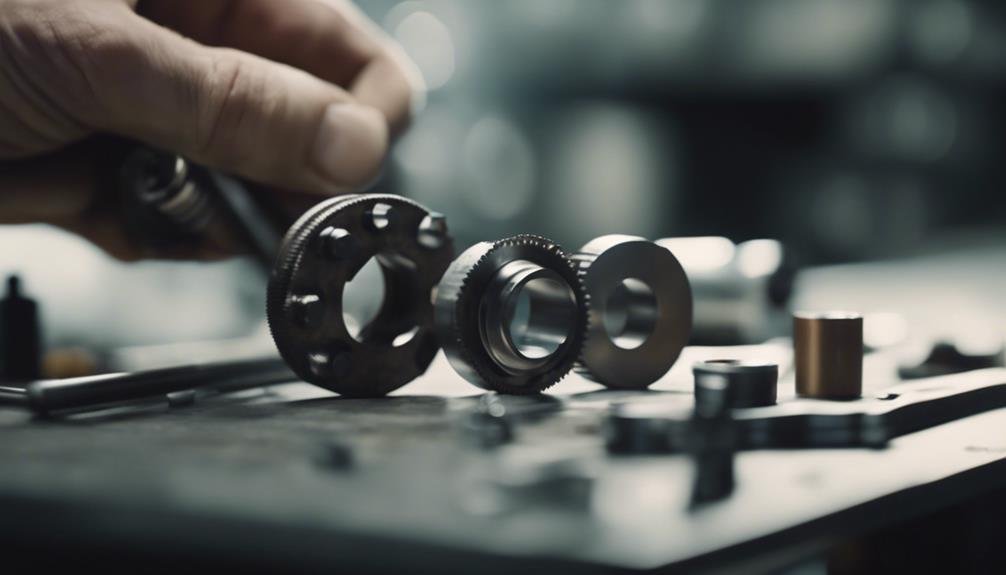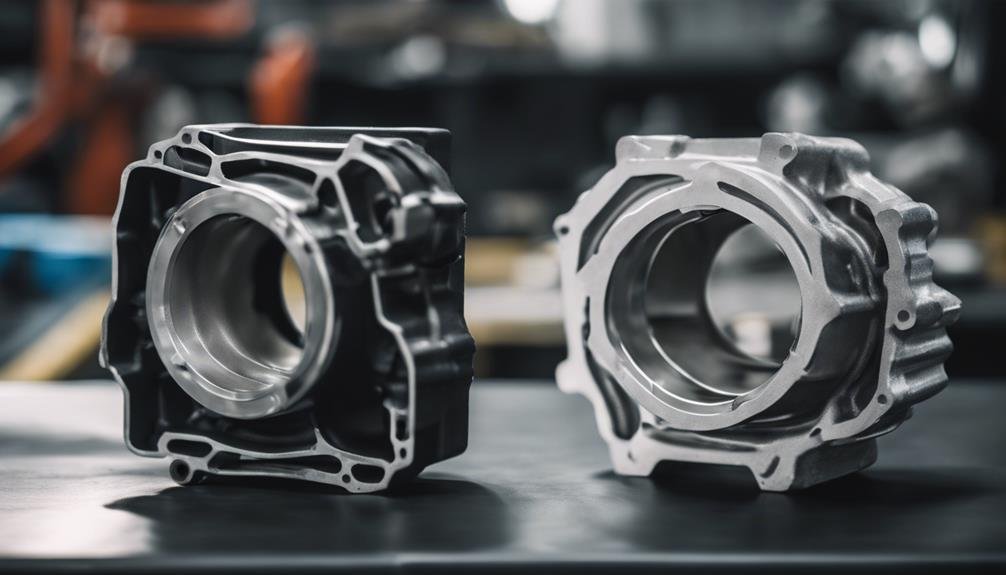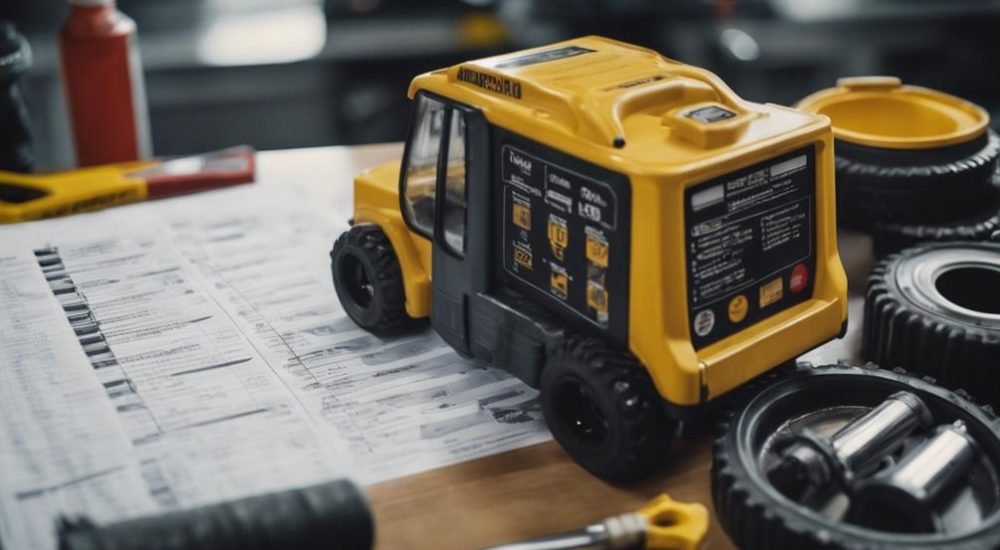
When it comes to heavy equipment, staying on top of maintenance is crucial for smooth operations and avoiding costly breakdowns. From daily pre-operation checks to sticking to scheduled maintenance intervals, every step is essential in preserving the efficiency of heavy machinery.
Yet, amidst these crucial tasks, there is a hidden gem often overlooked that can significantly impact equipment performance and lifespan. Addressing this critical element properly could unlock the full potential of maintenance protocols for heavy equipment, ensuring optimal functionality and durability.
Pre-Operation Daily Checks
Pre-Operation Daily Checks
- Before initiating the operation of heavy equipment, conducting thorough pre-operation daily checks is imperative to guarantee optimal functionality and safety. Visual inspections play a critical role in identifying any potential hazards or issues that may affect the equipment's performance. Logging findings from these inspections is necessary for tracking maintenance history and addressing recurring issues promptly.
Checking fluid levels ensures that the equipment is adequately lubricated and cooled during operation, while monitoring tyre conditions helps prevent blowouts or accidents. Verifying valve stems, steering components, belts, hoses, and the suspension system is crucial to ensure optimal performance and safe operation. Each component plays a significant role in the overall functionality of the heavy equipment, and regular inspections help in maintaining efficiency and safety standards.
Routine Maintenance Intervals
Routine Maintenance Intervals
To guarantee the optimal performance and longevity of heavy equipment, adhering to routine maintenance intervals is paramount in preserving functionality and safety standards. Following manufacturer's guidelines for specific maintenance intervals is critical to make certain that the heavy equipment operates efficiently. Below is a table outlining the recommended routine maintenance intervals for different components of heavy equipment:
| Maintenance Task | Interval | Components |
|---|---|---|
| Basic engine service | Every 250-500 hours | Engine, oil, filters |
| Cabin air filters replacement | Every 1,000-1,200 hours | Cabin air filters, air dryer |
| Hydraulic filters replacement | Every 4,800-5,000 hours | Hydraulic system, return filters |
| Transmission service | Every 4,800-5,000 hours | Transmission differentials |
Moreover, it is vital to regularly inspect pins, bushings, radiator, and hydraulic tank to ensure optimal heavy equipment maintenance. Adhering to these routine maintenance schedules will help prevent breakdowns, extend the equipment's lifespan, and maintain operational efficiency.
Equipment Manual Cross-Referencing
EQUIPMENT MANUAL CROSS-REFERENCING
Cross-referencing equipment manuals is an important practice in ensuring adherence to manufacturer's maintenance guidelines for heavy equipment. It provides a foundation for optimal equipment care by comparing maintenance checklists with recommended procedures.
Following equipment manual instructions is vital for effective maintenance planning, as it aligns maintenance activities with the manufacturer's guidelines, thereby contributing to maximising equipment lifespan and performance.
Through equipment manual cross-referencing, valuable insights are gained, aiding in preventive maintenance scheduling to proactively address potential issues and sustain equipment reliability.
- Comparing maintenance checklists with recommended procedures
- Aligning maintenance activities with manufacturer's guidelines
- Maximising equipment lifespan and performance
- Gaining valuable insights for preventive maintenance scheduling
Regular Maintenance Scheduling
Incorporating a systematic approach to regular maintenance scheduling is imperative for upholding the optimal performance and longevity of heavy equipment. Following maintenance intervals is vital, with tasks such as oil changes, filter replacements, and engine service recommended every 250 to 500 hours. Adhering to maintenance protocols at intervals of 1,000 to 1,200 hours, which include replacing cabin air filters, coolant filters, and inspecting air dryers, is essential. At 4,800 to 5,000 hours, changing return filters, hydraulic filters, and servicing transmission differentials is necessary to ensure the equipment's smooth operation.
It is vital to strictly adhere to the manufacturer's guidelines for maintenance to guarantee optimal equipment performance and longevity. By establishing proper maintenance scheduling based on recorded complications, organisations can effectively prevent unexpected breakdowns and costly repairs. Therefore, maintaining a meticulous record of all maintenance activities and following a structured maintenance schedule can significantly reduce the likelihood of disruptions and improve the overall efficiency of heavy equipment.
Equipment History and Record-Keeping
Equipment History and Record-Keeping
For efficient maintenance management of heavy equipment, meticulous equipment history and record-keeping are critical components. Detailed equipment records play a key role in scheduling preventive maintenance accurately, ensuring that maintenance tasks are performed at the right time to prevent breakdowns and extend equipment longevity. Service records are necessary for minimising costs by tracking expenses and planning future maintenance effectively.
An organised maintenance history helps in tracking past repairs, identifying recurring issues, and predicting future maintenance needs, enabling proactive measures to be taken. Furthermore, utilising equipment history for maintenance scheduling can optimise equipment performance, ensuring that the machinery operates at its best capacity.
Efficient record-keeping is key to tracking maintenance tasks, monitoring equipment performance, and ultimately, maximising the lifespan of heavy equipment while minimising operational costs.
Conclusion
In conclusion, sticking to essential maintenance routines for heavy equipment is crucial for ensuring top performance, durability, and cost-efficiency. By completing daily pre-operation checks, following regular maintenance schedules, consulting equipment manuals, planning routine maintenance sessions, and keeping detailed records, operators can significantly extend the lifespan of heavy machinery, reduce downtime, and avoid expensive repairs. Prioritising proactive maintenance is key to keeping heavy equipment running smoothly.
If you're feeling overwhelmed or unsure about maintaining your heavy equipment, don't hesitate to reach out to Estorf Teile for guidance. We're here to help you navigate through any challenges you may face, making sure you're always on the right track.
For any questions about Deutz Parts, feel free to contact us. We're here to provide you with the information and support you need to keep your heavy equipment in top shape. Take the first step towards enhancing your equipment's performance by reaching out to us today.
Remember, proper maintenance is the key to longevity and efficiency in heavy equipment operations. Stay proactive and diligent in caring for your machinery to enjoy seamless performance and avoid unexpected breakdowns.