When your hydraulic pump components need replacing, it's not just about finding the right parts – it's about keeping your hydraulic system running smoothly. From selecting quality components to ensuring precise installation, the process is crucial for optimal system performance. But it doesn't stop there. To truly understand what effectively replaces hydraulic pump components, we must explore the nuances of maintenance practices, the significance of component quality, and the expertise required for peak system operation.
Navigating the realm of hydraulic pump component replacements involves more than just swapping parts – it's about sustaining the heartbeat of your hydraulic system. Choosing the correct components, maintaining them diligently, and understanding the intricate details of their function are all vital aspects that contribute to the longevity and efficiency of your hydraulic setup. By diving into the world of hydraulic maintenance, we uncover a wealth of knowledge that empowers us to keep our systems running seamlessly, ensuring reliability and performance when it matters most.
Common Causes of Hydraulic Pump Failure
Common Causes of Hydraulic Pump Failure
Fluid contamination remains the primary culprit behind hydraulic pump failure, posing a significant threat to the system's efficiency and longevity. Contaminants present in the hydraulic fluid can adversely affect the pump by altering the fluid properties, leading to corrosion of critical pump components. Poor fluid quality not only compromises the lubricating properties of the fluid but also diminishes the complete system efficiency. Contaminants entering the hydraulic system from different sources can worsen the issue, impacting the pump's performance and potentially causing irreversible damage.
Furthermore, fluid contamination, excessive temperatures within the hydraulic system can also contribute to pump failure. Increased temperatures can accelerate the degradation of the hydraulic fluid, reducing its effectiveness and potentially causing overheating of the pump components. Maintaining proper fluid quality and monitoring system temperature are necessary steps in preventing hydraulic pump failure and ensuring the longevity and efficiency of the hydraulic system.
Signs Your Hydraulic Pump Needs Replacement
Indications of impending hydraulic pump failure can manifest through different observable signs, providing valuable insights into the potential need for replacement. One common sign is the presence of unusual noises such as whining or grinding during pump operation. Decreased performance or power output from the hydraulic system can also signal underlying pump issues. Leaking hydraulic fluid or visible damage to the pump are clear indicators that replacement may be necessary. Moreover, increased energy consumption or overheating of the pump can suggest impending failure. Conducting regular maintenance checks is vital in identifying early signs of pump wear to address potential replacement needs promptly.
| Signs of Hydraulic Pump Replacement | Description |
|---|---|
| Unusual Noises | Whining or grinding sounds indicate possible pump issues. |
| Decreased Performance | Reduced power output signals potential pump failure. |
| Leaking Hydraulic Fluid | Visible leaks or damage point towards replacement need. |
Steps to Replace Hydraulic Pump Components
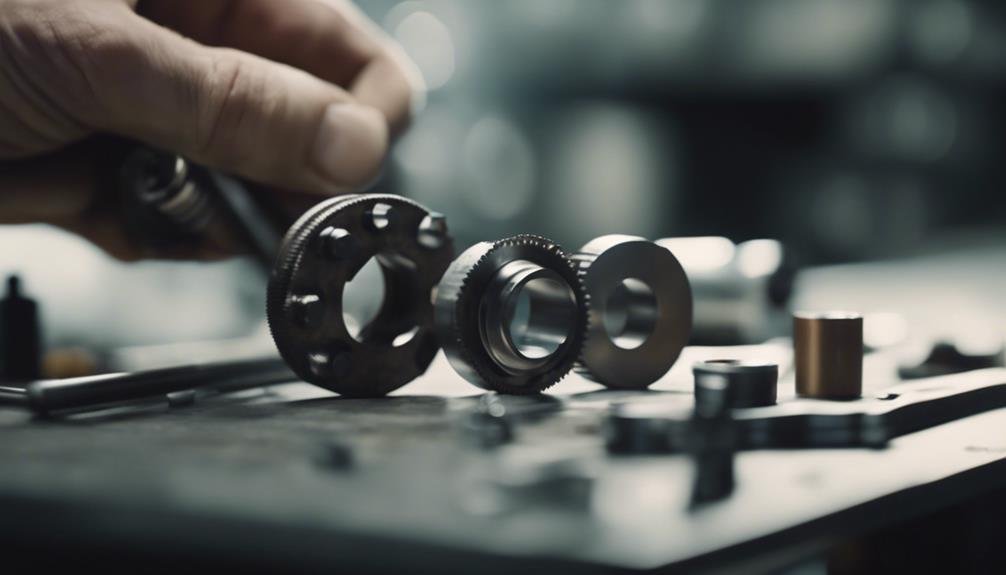
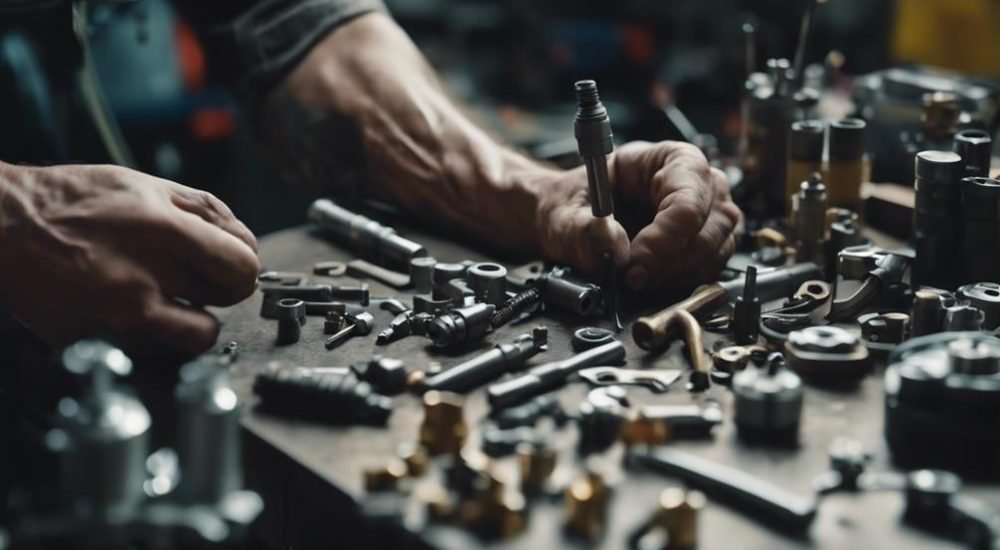
To efficiently replace hydraulic pump components, it is critical to methodically follow a set of precise steps to guarantee optimal performance and longevity of the hydraulic system.
- Identify the specific component: Before beginning the replacement process, accurately identify the particular hydraulic pump component that needs to be replaced. This guarantees that the correct part is addressed, preventing unnecessary disassembly of other components.
- Follow manufacturer guidelines: Adhere strictly to the manufacturer's guidelines for disassembling the hydraulic pump. These guidelines provide crucial insights into the proper disassembly procedure, ensuring that components are handled correctly to prevent damage.
- Inspect, clean, and test: Thoroughly inspect and clean all components before reassembly to remove any contaminants that could compromise the system's performance. During reassembly, ensure proper alignment and adhere to specified torque values. Lastly, test the pump after replacement to confirm functionality and address any issues before returning the system to operation.
Maintenance Tips for Prolonging Pump Life
Maintenance Tips for Prolonging Pump Life
Addressing maintenance tasks proactively can greatly improve the operational lifespan of hydraulic pump components. Regular maintenance, such as filter changes and cleanliness checks, plays a vital role in prolonging the life of hydraulic pumps.
It is important to make sure proper oil flow, adjust pressure relief settings, and maintain sufficient oil levels in the reservoir to prevent cavitation and uphold pump longevity. Contamination control is another key aspect of maintenance that involves using clean oil, changing filters promptly, and sealing entry points to prevent contaminants from damaging the hydraulic pump components.
Moreover, addressing mechanical failures like broken input shafts, fretting corrosion, and inadequate oil levels can help prevent premature pump replacements. Changing filter elements after break-in periods and promptly addressing any underlying issues can help avoid frequent pump failures, ultimately extending the longevity of hydraulic pump components.
Cost Considerations for Pump Replacement
Considering the varying costs associated with pump replacement, it is critical to prioritise expertise and quality in repair services to secure long-term reliability and functionality. When evaluating the cost considerations for pump replacement, the following factors should be taken into account:
- Expertise: Engaging professionals with in-depth knowledge of hydraulic pumps is vital to guarantee accurate diagnosis of failures and the implementation of appropriate repair solutions.
- OEM Replacement Parts: Opting for original equipment manufacturer (OEM) replacement parts may initially seem costly but can contribute greatly to the longevity and efficiency of the hydraulic pump.
- Quality Repairs: While cost is a factor, the primary focus should be on the competency and reputation of the service provider. Cutting corners on repairs may lead to premature pump failure, resulting in increased total costs and downtime.
Conclusion
In conclusion, ensuring your hydraulic system runs smoothly hinges on timely diagnosis and replacement of its vital components. By tackling common failure triggers, spotting signs of pump wear, and sticking to maintenance guidelines, you secure top-notch performance and steer clear of hefty repairs. Prioritising quality replacements and upkeep paves the way for a dependable and efficient hydraulic setup.
To all readers out there, if you find yourself at a loss or uncertain about your next steps, take heart and reach out to Estorf Teile for a helping hand. We're here to guide you through any concerns or queries you may have about Deutz Parts. Contact us today to learn more and take charge of your hydraulic system's well-being.
Remember, knowledge is power. For any inquiries regarding Deutz Parts or hydraulic systems, do not hesitate to contact us. Let's explore together and ensure your hydraulic system stays in top-notch condition.